Music Is Therapy Until It Isn’t: Why Learning Can Sometimes Feel Stressful
Music heals: but the learning process can also stir stress, perfectionism, and tension. Here’s how to tell the difference and reset.

You pick up the guitar to unwind. Ten minutes later your shoulders are up by your ears, your fingers sting, and your inner critic is giving a TED Talk.
Sound familiar?
You’ve just wandered from what was supposed to be relaxing, joyful, therapeutic even, into training, stress and frustration without noticing and the body felt the switch before the brain did.
Why Music Feels Like Therapy
Music isn’t just sound; it’s state change.
A few chords and your breath slows. A rhythm loop and your body syncs to it.
That’s therapeutic: your nervous system falling into time with the beat. Dopamine nudges mood up. Muscles unclench. You feel safe again.
That’s why music is a lifeline for stressed adults.
It’s a small room where the world can’t shout at you. It's time away from the worries of everyday life.
Its mind body connection combined with rhythm and soul. It's that beautiful flow state that shows up sometimes when you are just in the moment and all the cares of the world seem to melt away.
Most people don't start an instrument or music specifically for its therapeutic benefits it often starts just from a love of music or wanting to be able to make music in some way.
Of course like a lot of things we want to control, when we actually go looking for it, it doesn't seem to show up. And when we forget about it, it seems to show up effortlessly.
When Music becomes Stressful
You had one of those days. Something, someone, sometimes - the world just reminds you it isn't an easy assignment this life thing.
There's always music though - maybe it's your guitar, a piano, or just putting on your favourite piece of music and singing along to it.
You know this will help and you sit down looking forward to escaping the stress of it all and just letting go and letting the music help you relax.
The Hidden Cost of Stressful Practice
Stress hijacks breath and rushes rhythm. Tone gets tight. Joy drains.
Keep practicing in that state and the nervous system quietly files music under “danger.”
That’s when people quit and say, “I thought this would help me. Why does it feel like work?”
If you’re grinding scales with a grimace, that’s not practice that’s future dental work.
Whats going on?
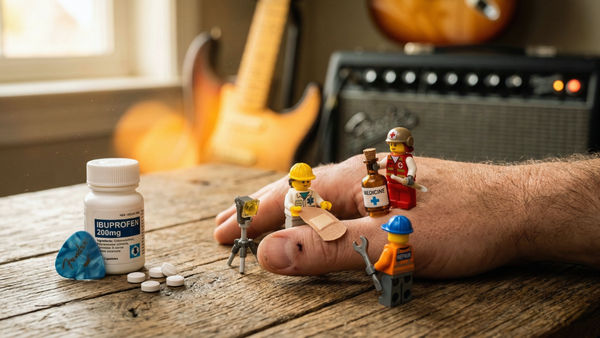
- Physical tension. Hands grip, shoulders creep, wrists complain. Technique turns into pain.
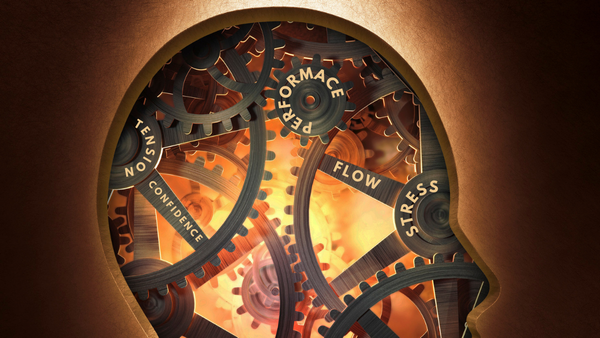
- Performance pressure. Even alone, you imagine an audience. Suddenly you’re auditioning for nobody.
- Overthinking. Too many details jam working memory. Brain fog meets body freeze.
We say, “this should be relaxing,” and then brace like we’re going into battle. The cares of the day dont melt away.
And suddenly you're frustrated that you cant quite hit that note or transition the chord change like you should be able to.
You need to learn how to let go before you start.
How to Bring Back the Relaxing Side of Music
Reset expectations
You’re not a machine; you’re a musician. Progress isn’t linear. Practice isn’t ruined by mistakes; mistakes are what make practice. Aim for useful reps, not spotless takes.
Regulate before you play
Sixty seconds: slow belly breath (in 4, out 6), shake out hands, roll shoulders, tap a steady four. Start from calm, not chaos. Focus grows roots when your body feels safe.
Use micro-sessions
Ten to fifteen minutes. Stop while you still want more. Ending on a good note teaches your brain to look forward to next time.
Reconnect with joy
Play the song that raised you. Sing badly on purpose. Improvise for two minutes with zero judgement. Remember why you came.
Stress Reduction and Training: Hold Both Truths
Music has two faces. Stress Reduction and training. Healing and hard work. Some days it restores you. Other days it stretches you. Both matter.
Name your mode before you start:
- Stress Reduction mode: regulate, release, feel.
- Training mode: slow reps, clear goals, gentle pressure.
If stress outweighs joy, slide back into therapy mode. Don’t light yourself on fire to keep others warm and don’t burn yourself to frustration just to satisfy a metronome.
A 5-Minute Reset Flow (bookmark this)
- Two minutes — Breath-Body-Beat: in 4, out 6; shake hands; roll shoulders; tap a slow four.
- One minute — Joy loop: play something you love, no corrections allowed.
- One minute — Skill bite: one tiny rep (two bars, one shift, one chord change).
- One minute — Seal it: play the joy loop again and stop there.
That’s music as medicine and training, in balance. Check out my other post on The Breath-Body-Beat Method for more detail in how do deal with this.
Conclusion
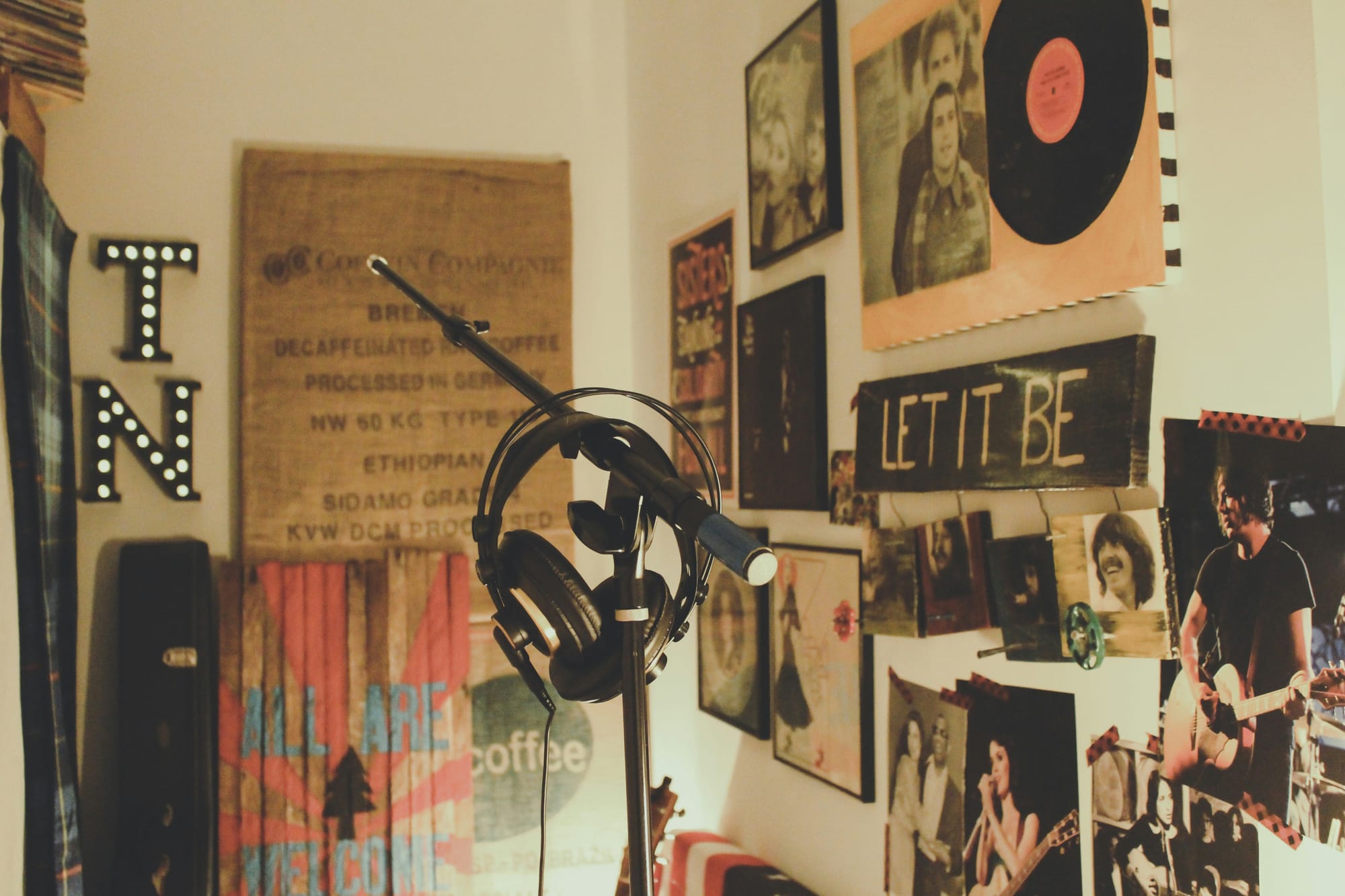
Music should give more than it takes.
If practice feels heavier than life, pause. Reset the frame.
Because you don’t need extra stress disguised as self-care. You need sound that reminds you you’re safe, capable, and very much alive.
Before your next session, spend ten minutes in therapy mode and notice what changes: breath, shoulders, rhythm, mood.
Tell me what shifted; your note might be the nudge someone else needs.
You'll learn:
- The 7 Pillars of Guitar Posture that actually matter
- How to warm up properly
- Daily hand stretches to prevent tension and overuse
- Fretting and strumming technique that supports your joints
- A repeatable, pain-free practice routine for consistent progress
- Warning signs to look out for in your playing
F.P
F.P. O’Connor
F.P. O'Connor is a Musician and Movement Specialist whose work is informed by extensive training in Manual Osteopathy, Psychology, and Strength Coaching.
He is the founder of Gentle Octaves, helping adult players develop practical, science-based systems for ease, control, and long-term playing confidence.
www.gentleoctaves.com
Release → Reset → Rebuild™ your sound
FAQ
Q: Why does learning music sometimes feel more stressful than therapeutic?
A: Because learning pushes your brain and body into unfamiliar patterns. It activates challenge pathways before it activates the flow state you associate with “therapeutic” playing.
Playing music and learning music are two different nervous-system states.
When you learn something new, your body is:
- rewiring neural circuits
- adjusting posture and motor control
- managing frustration and self-judgment
- breaking old habits and installing new ones
That takes energy.
It’s the same reason workouts feel harder when you’re learning a new movement pattern.
Research shows that music learning activates the reward circuits and the cognitive effort networks at the same time. Flow happens later once the skill is stable enough that the system isn’t fighting itself. If you feel effort before ease, nothing’s wrong that’s exactly how learning works. Remember this is general educational and neuroscience information, not mental-health advice.
If you are experiencing significant emotional or psychological distress, please seek help from a qualified healthcare provider.
Q: Is it normal for adults over 40 to feel this way when returning to music?
A: Yes adults bring physical patterns, self-expectations, and old tension habits that make learning feel slower, but the brain is still highly capable of adapting.
Returning to music in your 40s means you’re not starting fresh you’re working with decades of:
- posture habits
- movement compensations
- perfectionism
- pain history
- comparison to your younger self
That creates friction early on.
But the upside?
Adult learners make meaning faster.
Neuroplasticity doesn’t vanish it just requires a smarter approach: shorter practice blocks, better ergonomics, and realistic expectations.
Many adults actually learn deeper because their awareness is higher.
If it feels “slow,” it’s usually just your system unlearning old patterns.
Q: How can I minimise the stressful part and reconnect with the joy of music again?
A: Use micro-goals, body awareness, and deliberate play. They reduce overload and reconnect you to the emotional payoff of music.
Stress in music comes from trying to do too much in one sitting or pushing through tension. Three practical shifts change everything:
- Micro-goals
“Learn one phrase,” not “learn the whole song.”
Micro-wins release dopamine and regulate frustration. - Awareness before effort
Notice when your shoulders rise, when your breath shortens, when your wrist collapses.
The body often gets stressed before the mind does. - Reintroduce play
Most adults forgot that music is meant to feel good.
Mix in familiar songs, easy riffs, improvisation, or anything that reconnects you to why you picked up the guitar in the first place.
These three elements lower cognitive load and increase emotional reward the real formula for sustainable, joyful practice.\
Q: When does learning stop being stressful and start feeling therapeutic again?
A: When your wins become more frequent than your frustrations that’s when the nervous system shifts from “effort mode” into “ownership and flow.”
The turning point usually happens after:
- consistent short sessions
- reduced physical tension
- clearer technique
- fewer compensations
- better ergonomics
- realistic expectations
In other words, when your system recognises the activity as safe, repeatable, and rewarding.
This is when playing becomes meditative again: when your attention shifts from “getting it right” to expressing something.
That shift isn’t magical. It’s mechanical: You’ve given your brain enough reps to stop fighting itself.Flow arrives when frustration stops being the loudest voice in the room.
Sources
Emilie Gerbier, Thomas C. Toppino, (2015) The effect of distributed practice: Trends in Neuroscience and Education, Volume 4, Issue 3, https://doi.org/10.1016/j.tine.2015.01.001.
(https://www.sciencedirect.com/science/article/pii/S2211949315000022)
Kenny, D.T. (2011). Epidemiology of music performance anxiety (Chapter 5, pp. 83-108). In D.T. Kenny (2011). The Psychology of Music Performance Anxiety. Oxford: Oxford University Press. https://www.academia.edu/24452745/The_Psychology_of_Music_Performance_Anxiety_Defining_music_performance_anxiety
Koelsch S. (2010). Towards a neural basis of music-evoked emotions. Trends in cognitive sciences, 14(3), 131–137. https://doi.org/10.1016/j.tics.2010.01.002